Our rooms
Five rooms, one small building, 62 children in all

The Nest (Baby Room)
- Ages
- 6 months – 1 year
- Places
- 9
- Statutory adult:child ratio
- 1 adult to 3 children
- Space
- 3.5 sq m per child
What a day looks like
Babies lead the day. We follow each baby's own feeding and sleeping pattern from home, written into a daily plan with you. Between sleeps there is floor time on natural mats, treasure baskets of wooden and fabric objects, songs and rhymes in Irish and English, a buggy walk or time in the sheltered garden every dry day, and lots of one-to-one time with the key worker. You get a written daily note plus photographs (with your consent) at collection.
What to bring
Formula or expressed milk, bottles, three changes of clothes, a comforter or sleep bag, and any prescribed medication with a signed form. Nappies, wipes and sun cream are included in the fee.
How this room links to Aistear
Well-being and Identity and Belonging lead here: predictable routines, a consistent key worker, and being known well. Communicating grows through babble, gesture and song; Exploring and Thinking through heuristic play with real, natural materials.
Wobblers
- Ages
- 1 – 2 years
- Places
- 15
- Statutory adult:child ratio
- 1 adult to 5 children
- Space
- 2.8 sq m per child
What a day looks like
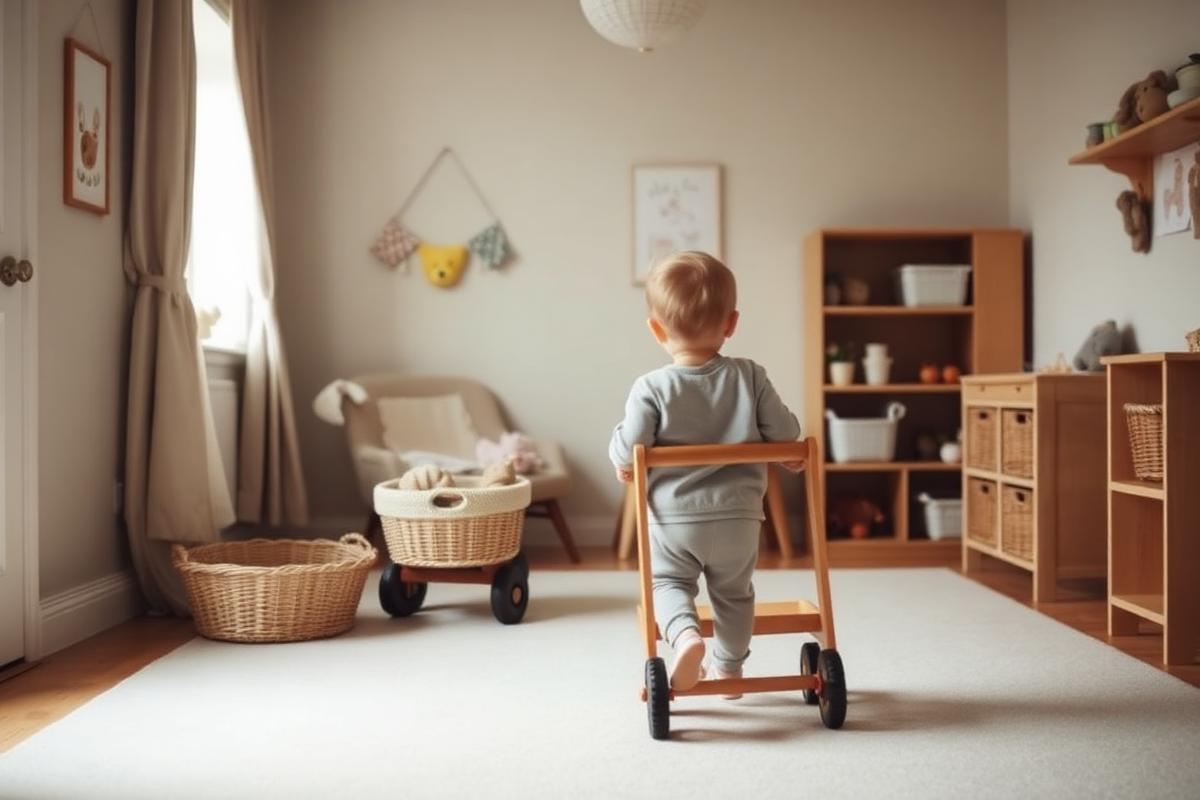
A gentle rhythm of free play, snack, outdoors, lunch and a nap. Wobblers pour their own water, push trolleys, climb the low frame, paint with big brushes and empty and fill everything they can find. We start self-feeding with proper cutlery and small china, and begin toilet learning whenever your child shows they are ready — never on a schedule set by us.
What to bring
Two or three changes of clothes, indoor shoes, a rain suit and wellingtons, and a comforter for nap time. Nappies, wipes, sun cream, meals and snacks are included.
How this room links to Aistear
Exploring and Thinking is in full flight — schemas like transporting and posting are supported rather than tidied away. Communicating is built through naming, singing and waiting for the child's reply.
Toddlers
- Ages
- 2 – 3 years
- Places
- 18
- Statutory adult:child ratio
- 1 adult to 6 children
- Space
- 2.35 sq m per child
What a day looks like
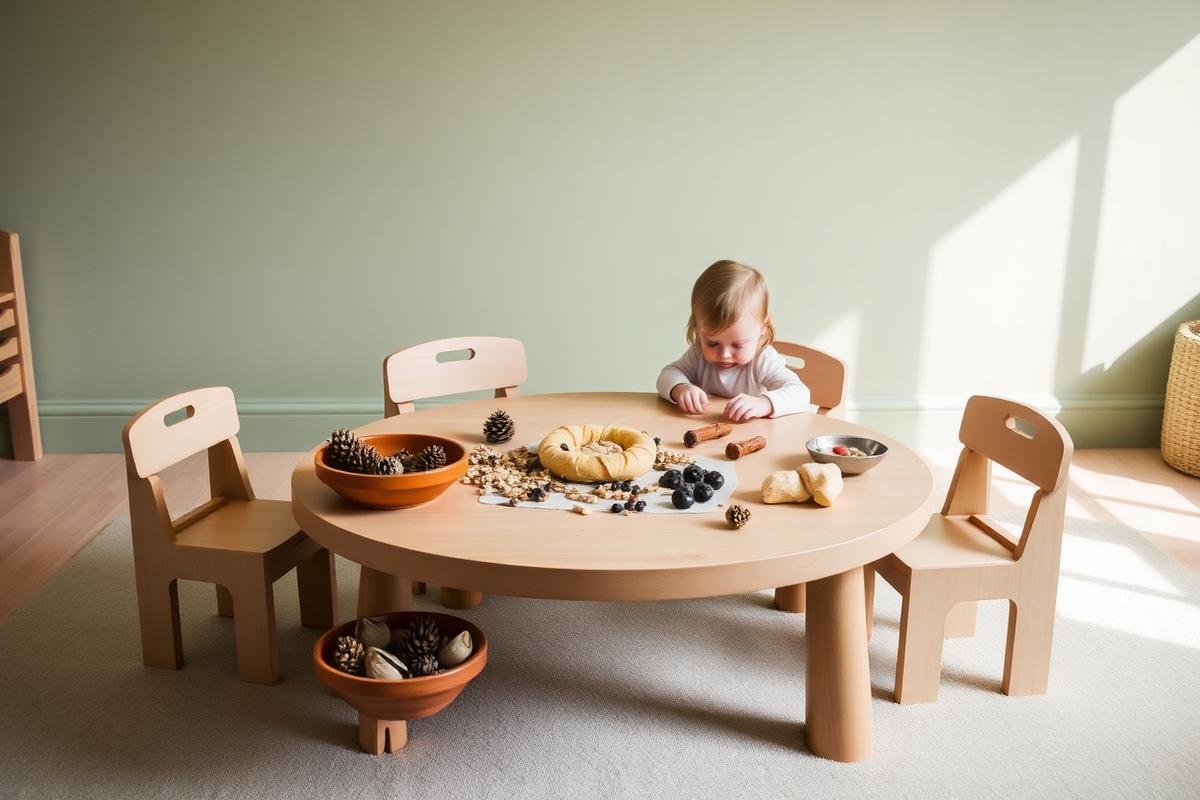
Longer, deeper play. The morning opens with free choice across construction, small world, art and the book corner, then a short group time with songs and stories, a hot lunch at 12, rest or quiet play, and a long outdoor session in the afternoon whatever the weather. Toddlers help set the table, sweep up and mind the garden beds.
What to bring
A full change of clothes (two if toilet learning), wellingtons, rain gear, and a sun hat in summer. Everything else is provided.
How this room links to Aistear
Identity and Belonging through familiar routines, family photographs on the wall and their own peg and place. Communicating through story, rhyme, cúpla focal and real conversation with adults who listen.

Montessori / ECCE Room
- Ages
- 2 yrs 8 mths – school age
- Places
- 22
- Statutory adult:child ratio
- 1 adult to 8 children (3–6 years, full or part-time day care)
- Space
- 2.3 sq m per child
What a day looks like
A three-hour Montessori work cycle from 9am: practical life, sensorial, language, maths and cultural materials, chosen by the child and presented by a degree-qualified Lead Educator. Small group work, a daily story and singing, and at least an hour outdoors. Children staying past 12 noon join lunch club or the full day programme, and the extra hours can be subsidised through the National Childcare Scheme.
What to bring
Indoor shoes, a full change of clothes, rain gear and wellingtons. Learning materials are included in the ECCE programme.
How this room links to Aistear
All four themes are planned for and documented. Exploring and Thinking through the Montessori materials and real investigations; Communicating through emergent writing, journals and presentations to the group.
After-School Club
- Ages
- 4 – 12 years
- Places
- 24
- Statutory adult:child ratio
- 1 adult to 12 children (school-age childcare minimum)
- Space
- Separate club room and dedicated outdoor space
What a day looks like
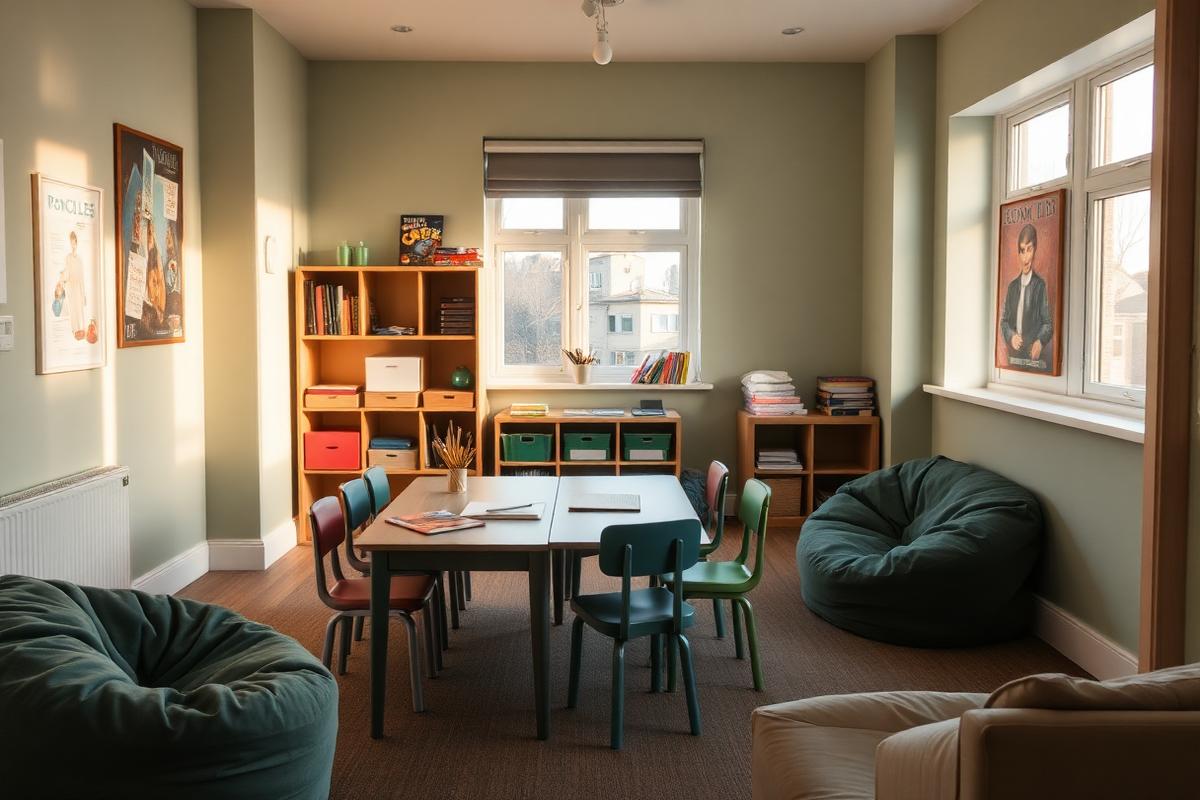
We collect from the local primary schools, then it is a hot snack, a run outside and free time before anyone opens a copybook. Homework club runs from 4pm with an adult on hand — we support it, we do not correct it for you. Afterwards: art, board games, cookery, coding club and outdoor games until collection.
What to bring
School bag, homework journal, a coat and runners. Hot snack and materials are included.
How this room links to Aistear
School-age children work to their own club charter rather than Aistear, but the same principles hold: belonging, voice, and time to be a child after a long school day.
A note on the ratios shown on this page
Every ratio above is the legal minimum set out in Schedule 6 of the Child Care Act 1991 (Early Years Services) Regulations 2016. Full day care settings must have two adults on the premises at all times, and school-age childcare requires a minimum of one adult for every twelve children. We roster above these minimums at drop-off, mealtimes and collection. You'll find the full ratio and floor-space tables, including sessional services, on our Safeguarding & Compliance page.